12 Proven HVAC Lead Generation Strategies to Supercharge Your Business Growth in 2024
The Digital Transformation of HVAC Marketing
The HVAC industry is experiencing a seismic shift in how customers discover and choose service providers, making HVAC Lead Generation more essential than ever. Gone are the days when Yellow Pages ads and door-to-door canvassing were your primary lead sources. Today’s homeowners start their search online, with 97% of consumers using the internet to find local services. This digital transformation means HVAC businesses must adapt their lead generation strategies or risk being left behind by more tech-savvy competitors.
The challenge isn’t just about going digital—it’s about standing out in an increasingly crowded marketplace. With over 130,000 HVAC businesses in the United States alone, competition for quality leads has intensified. The businesses that thrive are those that implement a multi-channel approach, combining proven traditional methods with cutting-edge digital strategies to create a comprehensive lead generation ecosystem.
Understanding Your Customer’s Journey
Modern HVAC customers don’t make impulsive decisions. They research, compare, and evaluate before choosing a service provider. The typical customer journey now includes multiple touchpoints: online searches, review reading, website visits, and social media interactions before they ever pick up the phone. Understanding this journey is crucial for positioning your lead generation efforts at the right moments to capture attention and convert prospects into customers.
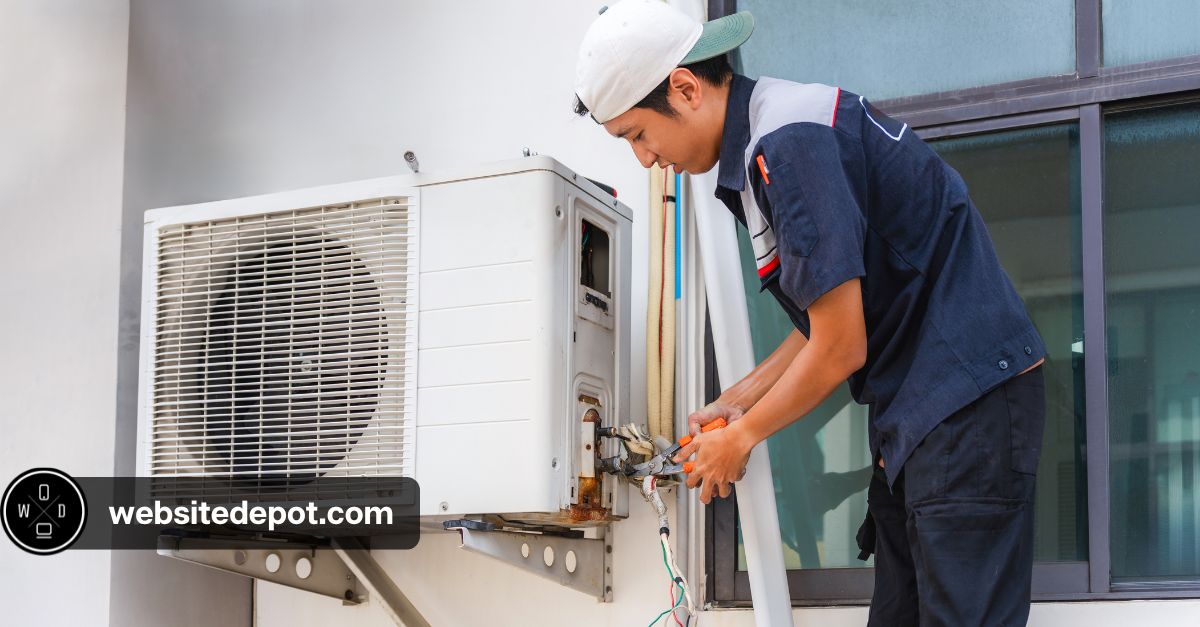
Understanding HVAC Lead Generation: Definitions and Core Importance
What Qualifies as a High-Quality HVAC Lead
Not all leads are created equal, and understanding the difference between a tire-kicker and a qualified prospect can save your business thousands in wasted marketing dollars. A high-quality HVAC lead typically includes several key characteristics: immediate need for service, decision-making authority, budget availability, and geographic proximity to your service area. These leads often convert at rates of 15-25%, compared to cold leads that may convert at only 2-5%.
The most valuable leads often come from emergency situations—broken air conditioners during summer heat waves or failing furnaces in winter. However, maintenance and upgrade leads, while less urgent, often represent higher lifetime customer value and should be actively pursued through different strategies than emergency service marketing.
The Financial Impact of Effective Lead Generation
Industry data shows that HVAC businesses with systematic lead generation processes generate 67% more revenue than those relying solely on referrals and repeat customers. The average HVAC service call ranges from $150-$500, while system installations can range from $3,000-$15,000 or more. Even a modest improvement in lead generation—say, capturing just 2-3 additional qualified leads per week—can translate to $50,000-$100,000 in additional annual revenue for most HVAC businesses.
Digital Marketing Foundations for HVAC Lead Capture
Building Your Digital Marketing Infrastructure
Before diving into specific tactics, HVAC businesses need a solid digital foundation. This includes reliable internet connectivity, a customer relationship management (CRM) system, call tracking software, and analytics tools. Many successful HVAC companies use platforms like ServiceTitan, Jobber, or HouseCall Pro to manage their entire customer lifecycle from initial lead capture through job completion and follow-up. [Research current pricing and features for top HVAC CRM platforms]
Your digital infrastructure should also include automated systems for lead nurturing. Studies show that businesses that nurture leads generate 50% more sales-ready prospects at 33% lower cost. Simple automation tools can send follow-up emails, schedule maintenance reminders, and even trigger review requests after successful service calls.
Creating Compelling Lead Magnets
Lead magnets are valuable resources you offer in exchange for contact information. For HVAC businesses, effective lead magnets might include seasonal maintenance checklists, energy efficiency guides, or emergency preparedness checklists. The key is providing immediate value that addresses common customer pain points while positioning your business as the expert solution.
For example, a “10-Point Winter Furnace Safety Checklist” downloaded in October can generate leads for both immediate maintenance services and future system replacements. The homeowner gets valuable information, and you capture their contact details for ongoing marketing efforts.
Website Optimization Strategies for Maximum Lead Generation
Conversion-Focused Website Design
Your website is your digital storefront, and like a physical store, every element should guide visitors toward making a purchase decision. HVAC websites that convert well typically feature prominent phone numbers, easy-to-find service areas, clear calls-to-action, and trust signals like certifications and reviews. The average HVAC website converts at 2-3%, but optimized sites can achieve 5-7% conversion rates or higher.
Mobile optimization is non-negotiable—over 60% of HVAC searches happen on mobile devices, often during emergency situations when homeowners need immediate help. Your mobile site should load in under 3 seconds, display phone numbers prominently, and make it incredibly easy for stressed customers to contact you quickly.
Strategic Placement of Contact Forms and CTAs
The placement and design of your contact forms can dramatically impact lead generation. Best practices include placing contact forms “above the fold” on your homepage, using contrasting colors for call-to-action buttons, and keeping forms short (3-5 fields maximum). Consider implementing multiple contact methods—phone, email, text, and live chat—to accommodate different customer preferences.
Emergency service pages should feature click-to-call buttons prominently, as customers in crisis want immediate phone contact rather than filling out forms. Regular service pages can use forms effectively, especially when combined with scheduling tools that let customers book appointments directly online.
Landing Pages for Specific Services
Create dedicated landing pages for each major service you offer—air conditioning repair, furnace installation, duct cleaning, etc. These focused pages should address specific customer needs and concerns related to that service, include relevant keywords for SEO, and feature targeted calls-to-action. Service-specific landing pages typically convert 2-3 times better than generic contact pages.
Local SEO and Google Business Profile Tactics
Optimizing Your Google Business Profile
Your Google Business Profile is often the first impression potential customers have of your HVAC business. Complete profiles with accurate information, high-quality photos, and regular updates receive 42% more direction requests and 35% more website clicks than incomplete profiles. Essential elements include current business hours, service areas, contact information, and compelling business descriptions that highlight your expertise and differentiators.
Regular posting on your Google Business Profile can improve local search visibility. Share updates about seasonal services, special offers, before-and-after photos of installations, and helpful tips for homeowners. Google favors businesses that actively engage with their profiles, potentially improving your local search rankings.
Local Citation Building and Management
Consistent business information (Name, Address, Phone number—NAP) across all online directories is crucial for local SEO success. Start with major directories like Yelp, Angie’s List, and HomeAdvisor, then expand to industry-specific platforms and local business directories. Inconsistent citations can confuse search engines and potential customers, potentially costing you leads.
Monitor and manage your citations regularly. Tools like Moz Local or BrightLocal can help track your citations across hundreds of directories and identify inconsistencies that need correction. [Add specific pricing and features for citation management tools]
Creating Location-Specific Content
Develop content that targets specific neighborhoods, cities, or regions you serve. This might include area-specific service pages, local weather-related HVAC tips, or guides to local building codes and regulations. Location-specific content helps capture searches like “furnace repair in [city name]” and demonstrates your local expertise to potential customers.
Paid Advertising Techniques for HVAC Companies
Google Local Services Ads Implementation
Local Services Ads appear at the very top of Google search results and operate on a pay-per-lead model rather than pay-per-click. For HVAC businesses, these ads can be incredibly effective, with some companies reporting conversion rates of 20-30%. The key advantage is that Google pre-qualifies leads and provides dispute protection if leads don’t meet quality standards.
To succeed with Local Services Ads, maintain excellent customer reviews (4.0+ rating recommended), respond quickly to leads (within minutes if possible), and ensure your profile accurately reflects your services and coverage area. The average cost per lead varies by market but typically ranges from $25-$75 for HVAC services.
Pay-Per-Click Advertising Strategy
Google Ads can provide immediate visibility for high-intent keywords like “emergency furnace repair” or “AC installation near me.” Successful HVAC PPC campaigns focus on location-based keywords, use ad extensions to highlight certifications and contact information, and direct traffic to relevant landing pages rather than generic homepages.
Budget allocation should prioritize emergency and high-value services. Emergency repair keywords often have higher costs-per-click ($10-$50+) but also higher conversion rates and immediate revenue. Installation and replacement keywords may be less expensive but represent larger revenue opportunities over time.
Facebook and Social Media Advertising
Social media advertising works particularly well for maintenance services and system upgrades rather than emergency repairs. Facebook’s detailed targeting options allow you to reach homeowners in specific age ranges, income levels, and geographic areas. Effective campaigns might target homeowners aged 35-65 within 20 miles of your location with interests in home improvement and seasonal service reminders.
Video ads showcasing before-and-after installations or explaining common HVAC issues can build trust and demonstrate expertise. The visual nature of HVAC work—dirty air filters, corroded equipment, clean installations—translates well to social media formats.
Leveraging Online Reviews and Social Proof
Systematic Review Generation Process
Happy customers are often willing to leave reviews, but they need gentle reminders and easy processes. Implement a systematic approach that requests reviews at the optimal moment—typically within 24-48 hours after successful service completion. Automated systems can send follow-up emails or texts with direct links to your Google, Yelp, or Facebook review pages.
Train your technicians to verbally request reviews from satisfied customers. A simple request like “If we’ve provided good service today, would you mind taking a moment to leave us a review online?” can significantly increase review volume. Some companies see 300-500% increases in reviews after implementing systematic request processes.
Review Response and Management
Responding to all reviews—both positive and negative—demonstrates professionalism and customer service commitment. For positive reviews, simple thank-you responses with personal touches (mentioning specific services or technician names) show genuine appreciation. For negative reviews, respond professionally, acknowledge concerns, and offer to resolve issues offline.
Use reviews as marketing content by featuring positive testimonials on your website, in proposals, and on social media. Customer stories and specific praise points are more compelling than generic marketing language and provide social proof that influences potential customers’ decisions.
Building Trust Through Transparency
Beyond reviews, build trust through transparency about your business practices. Display certifications prominently, provide upfront pricing when possible, and share information about your technicians’ backgrounds and training. Some successful HVAC companies include technician photos and biographies on their websites, helping customers feel more comfortable inviting service providers into their homes.
Technician-Driven Lead Generation Approaches
Incentive Programs for Service Technicians
Your technicians are your best lead generators because they’re already in customers’ homes and have established trust through quality service. Implement incentive programs that reward technicians for identifying additional service opportunities, system upgrades, or maintenance plan sign-ups. Successful programs might offer $50-$200 bonuses for qualified leads that result in new installations or service contracts.
Structure incentives carefully to maintain ethical practices and customer trust. Focus on genuine needs identification rather than pushy sales tactics. Technicians should be trained to recognize legitimate opportunities—aging equipment, inefficient systems, or safety concerns—and present solutions professionally.
Customer Education and Upselling Training
Train technicians to educate customers about their HVAC systems during service calls. This educational approach builds trust and naturally reveals opportunities for additional services. For example, explaining how dirty air filters affect efficiency can lead to maintenance plan discussions, while identifying aging equipment provides opportunities to discuss replacement options.
Provide technicians with simple tools like system age charts, efficiency comparisons, and maintenance checklists they can share with customers. Visual aids help customers understand the value of recommended services and make informed decisions about their HVAC systems.
Referral Request Training
Satisfied customers are excellent referral sources, but technicians need training on when and how to request referrals appropriately. The best time is typically after completing successful repairs or maintenance, when customers are most satisfied with your service. Simple scripts like “We appreciate your business, and if you know anyone else who needs HVAC service, we’d be grateful for the referral” can be effective.
Strategic Partnerships and Networking Methods
Building Relationships with Complementary Businesses
Develop partnerships with businesses that serve similar customers but aren’t competitors. Plumbers, electricians, home security companies, and real estate agents all encounter customers who might need HVAC services. Create formal referral programs with incentives for partners who send quality leads your way, and be prepared to reciprocate with referrals when appropriate.
Property management companies can be particularly valuable partners, as they manage multiple properties that require regular HVAC maintenance and occasional system replacements. Building relationships with property managers can provide steady, ongoing lead flow beyond typical residential customers.
Community Involvement and Local Networking
Active participation in local business organizations, chamber of commerce events, and community activities builds brand awareness and generates referrals over time. While the lead generation impact isn’t immediately measurable, community involvement creates long-term relationship opportunities and establishes your business as a trusted local partner.
Consider sponsoring local sports teams, school events, or community festivals. This sponsorship keeps your business name visible in the community and associates your brand with positive local activities. The key is consistent, long-term involvement rather than one-off promotional efforts.
Contractor and Builder Relationships
New construction and major renovation projects represent significant HVAC opportunities. Build relationships with general contractors, builders, and renovation specialists who might need HVAC subcontractors or can refer clients for system upgrades. These relationships often develop slowly but can provide high-value leads for complete system installations.
Retention and Reactivation of Existing Customers
Maintenance Plan Development
Maintenance plans provide predictable recurring revenue while keeping your business top-of-mind for customers who need additional services. Successful plans typically include bi-annual system check-ups, priority service scheduling, and discounts on repairs or replacements. Market these plans as insurance against expensive emergency repairs and system breakdowns.
Price maintenance plans to provide clear value while generating profitable recurring revenue. Plans ranging from $150-$300 annually are common, depending on the services included and local market conditions. The key is demonstrating clear value through priority service, discounts, and peace of mind benefits.
Customer Database Reactivation Campaigns
Your existing customer database is a goldmine of potential leads for additional services. Customers who haven’t used your services in 12-24 months might need maintenance, have developed new issues, or be ready for system upgrades. Reactivation campaigns using email, direct mail, or phone outreach can re-engage these dormant customers cost-effectively.
Segment reactivation campaigns based on customer history and service timing. Customers with older systems might be interested in efficiency upgrades, while those with recent repairs might need maintenance services. Personalized messaging based on customer history performs significantly better than generic promotional communications.
Seasonal Service Reminders
Implement automated seasonal reminder systems that encourage customers to schedule maintenance before peak heating and cooling seasons. These reminders can be sent via email, text message, or direct mail, depending on customer preferences. Spring AC tune-ups and fall furnace check-ups generate steady revenue while preventing emergency service calls during extreme weather.
Measuring and Tracking Lead Generation Performance
Essential Metrics for HVAC Lead Generation
Track key performance indicators (KPIs) that directly impact your business success: cost per lead by source, lead-to-customer conversion rates, average customer value, and customer lifetime value. Understanding these metrics helps optimize marketing spend and identify the most profitable lead generation channels for your specific business and market.
Implement call tracking systems that assign unique phone numbers to different marketing channels, allowing you to measure which campaigns generate phone leads. Tools like CallRail or ResponseTap provide detailed analytics about call volume, duration, and outcomes from different marketing efforts. [Research current pricing for call tracking solutions]
Customer Relationship Management (CRM) Systems
A robust CRM system helps track leads from initial contact through job completion and ongoing relationship management. Popular HVAC-specific CRMs include ServiceTitan, FieldEdge, and Jobber, which integrate scheduling, invoicing, and customer communication tools. These systems provide valuable insights into lead sources, conversion rates, and customer behavior patterns.
Use CRM data to identify trends and opportunities. For example, if certain neighborhoods generate higher-value customers, focus more marketing efforts in those areas. If particular lead sources consistently produce low-converting leads, reallocate budget to better-performing channels.
Return on Investment (ROI) Analysis
Calculate ROI for each lead generation channel by comparing total marketing costs against revenue generated from those leads. Include both immediate revenue (current service calls) and projected lifetime customer value (future services, referrals, maintenance contracts). This comprehensive analysis helps make informed decisions about marketing budget allocation and strategy adjustments.
Consider implementing attribution modeling that accounts for customers who interact with multiple marketing channels before converting. A customer might first see your Google Ad, visit your website, read reviews, and then call after receiving a direct mail piece. Understanding these multi-touch customer journeys provides more accurate ROI calculations.
Building Your Integrated Lead Generation Ecosystem
Creating Synergies Between Channels
The most successful HVAC businesses don’t rely on single lead generation tactics but create integrated systems where different channels reinforce each other. For example, Google Ads drive traffic to optimized landing pages, which capture leads for email nurturing campaigns, while positive service experiences generate reviews that improve local SEO and social proof for future leads.
Design your lead generation system with multiple touchpoints and follow-up mechanisms. A potential customer might not be ready to buy during their first interaction, but consistent, valuable communication can nurture them until they’re ready to make a decision. This long-term approach often produces higher-value customers than immediate-conversion tactics alone.
Scaling Successful Strategies
Once you identify lead generation channels that work well for your business, systematically scale the successful elements while testing new approaches. If Google Local Services Ads generate profitable leads in your primary service area, consider expanding to adjacent markets. If technician referral programs work well, refine the process and expand the incentive structure.
Document your successful processes and train team members to execute them consistently. Lead generation success often depends on consistent execution over time rather than sporadic promotional efforts. Create standard operating procedures for lead follow-up, customer communication, and performance tracking that can be maintained as your business grows.
Continuous Optimization and Adaptation
The HVAC lead generation landscape continues evolving as new technologies and customer behaviors emerge. Regularly review your lead generation performance, test new approaches, and adapt strategies based on results and market changes. What works today might become less effective next year, so maintain flexibility and willingness to adjust your approach.
Stay informed about industry trends, new marketing technologies, and customer behavior changes that might impact your lead generation efforts. Join HVAC industry associations, attend conferences, and network with other successful contractors to learn about emerging opportunities and best practices.